What item are you looking for at Nike?
This article is your guide to trying Nike clothes, especially leggings. You’ll learn how to discover Nike’s product programs, what happens during a leggings test, and how to make this opportunity a stepping stone for more. It’s packed with info on turning a trial into future opportunities with Nike or other sports brands.
It’s designed for fitness fans, runners, yoga gurus, bloggers, and reviewers across. We focus on essential review aspects like how the clothes fit, the materials used, and their performance. Plus, we cover how to apply, useful tips, and insights from experienced testers to help you get started.
Here, we talk about how to apply for free Nike apparel tests, complete them, and give feedback that counts. Whether you’re new to Nike’s product testing or looking to increase your chances of getting more invites, this guide provides reliable, helpful advice.
Key Takeaways
- Learn where and how to find official Nike product program and tester opportunities.
- Understand what a nike leggings test involves, from fit checks to performance notes.
- Prepare a strong application that highlights relevant sports, fitness, or review experience.
- Know how to provide clear, actionable feedback to increase chances of repeat selection.
- Turn a free nike apparel trial into long-term relationships with Nike or other brands.
What a Nike Leggings Trial Is and How It Works
A Nike leggings trial is part of Nike Product Testing, a structured research initiative that allows selected participants to test products before they are released to the public. These trials help Nike evaluate fit, fabric performance, durability, and comfort under real training conditions.
Most official footwear and apparel testing is conducted through Nike’s Voice of the Athlete Program, which gathers real-world feedback from athletes across different sports and climates. Some apparel studies may also be coordinated through Nike’s Innovation teams or approved research partners.
Nike Voice of the Athlete initiative
Participants are expected to actively use the leggings during workouts and provide detailed, honest feedback that supports product development.
Overview of the Nike Product Testing Program
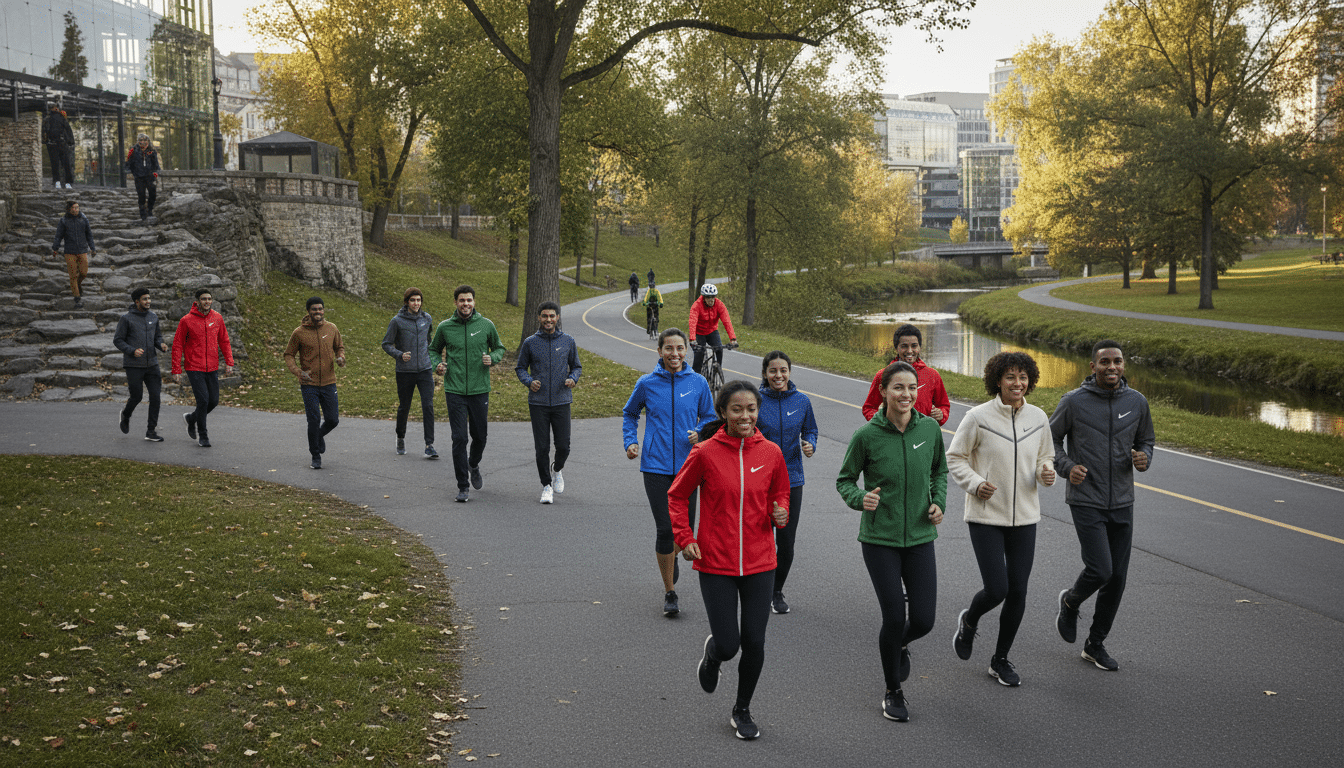
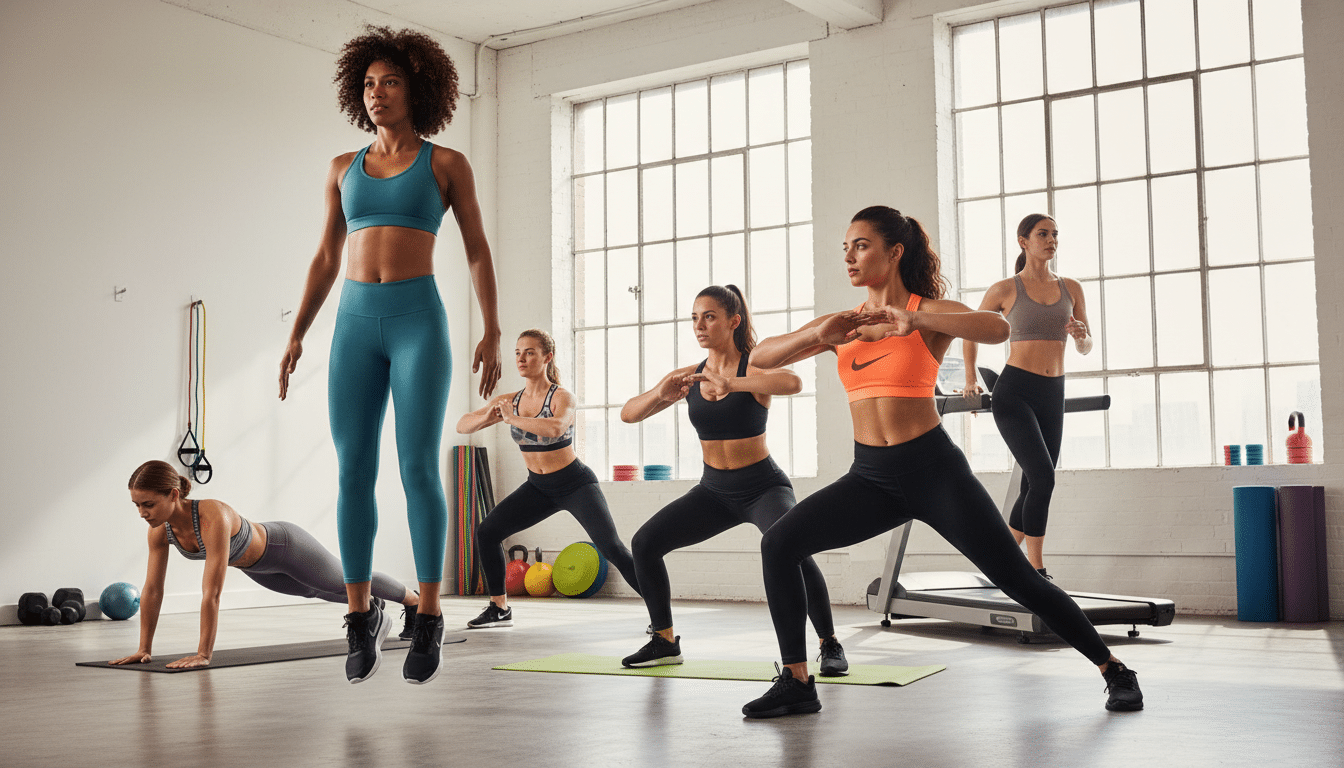
Nike Product Testing focuses on collecting performance data from real athletes — including runners, gym-goers, yogis, and everyday fitness enthusiasts. Selected testers wear leggings and other training apparel during activities such as:
- Running (indoor and outdoor)
- Strength training
- Yoga or Pilates
- HIIT sessions
- Cross-training workouts
Some trials evaluate specific technical features like:
- Breathability and moisture control (Dri-FIT performance)
- Compression level and muscle support
- Waistband stability during movement
- Fabric stretch and recovery
- Durability after repeated washes
Other testing cycles may assess full apparel systems, such as leggings paired with sports bras or training tops.
Through the Voice of the Athlete Program, testers follow structured usage guidelines and complete surveys documenting their experience. In certain cases, participants may be asked to submit photos or short videos demonstrating product performance.
What Testers Receive
Compensation varies depending on the campaign and region. In many Nike Product Testing programs:
- Testers receive products at no cost during the study
- Some trials allow participants to keep the product after completion
- Others may require returning the product for further analysis
- Certain research studies may offer small incentives or Nike discounts
If a product is unreleased or confidential, participants may be required to sign a Non-Disclosure Agreement (NDA). This means they cannot share images, reviews, or product details publicly until Nike approves.
The Voice of the Athlete Program is not a paid influencer contract — it is a product development collaboration focused on improving performance gear.
Eligibility Requirements for Participants
To qualify for Nike Product Testing opportunities, applicants typically must:
- Be at least 18 years old
- Reside in an eligible region
- Provide accurate sizing information
- Maintain an active lifestyle
- Have regular access to training environments
Having a smartphone or camera is essential, as testers often need to submit digital surveys, photos, or short video feedback.
Nike frequently selects participants based on how well their profile matches the needs of a specific product test. For example, a high-compression leggings trial may prioritize long-distance runners, while a studio-focused collection may target yoga practitioners.
Nike Membership and Application Process
Participation in most Nike Product Testing initiatives — especially through the Voice of the Athlete Program — requires a Nike Member account.
Applicants may be asked to provide:
- Apparel size and fit preferences
- Primary sports and weekly activity frequency
- Climate and training environment
- Contact details for study communication
While some high-visibility campaigns may favor individuals with strong social media presence, most testing selections are based on activity level, demographic diversity, and reliability — not follower count.
Nike values testers who:
- Follow study instructions carefully
- Submit feedback on time
- Provide clear, detailed observations
- Respect confidentiality agreements
Maintaining an updated Nike Member profile increases your chances of receiving future invitations.
Typical timelines and trial durations
Applications are open for a few days to a few weeks. If you’re picked, you’ll find out by email and get the product shipped to you. Short trials are usually 1–4 weeks long.
Longer tests may go for 1–3 months and you’ll need to send in reports regularly. It’s important to stick to deadlines for feedback and photos. Be ready for shipping times and if you have to return the product. Sometimes you get to keep it, other times you need to send it back after testing.
How to Sign Up for Nike Product Program Opportunities
To be a part of a Nike product program, start by finding the right places. You will need to give detailed and true information about how active you are and what fits you best. You can find sign-up opportunities on Nike.com, under membership pages, and on Nike News. They also post on Nike Innovation and their social media on Instagram, Twitter/X, Facebook, and LinkedIn. Sometimes, websites like UserTesting or Influenster have Nike studies, but make sure they are real before signing up. You might also find chances to test sports gear at local Nike stores, running groups, or on college boards.
Where to find official tester and program pages
Make sure to check your NikePlus account for any alerts. Turn on email or push notifications. Follow Nike’s official social media for the latest news. Nike News and the Innovation section can also have info on product research and trials. If you see a study on another site, make sure it’s really with Nike before giving your details.
Tips for creating a compelling tester profile
Fill out your NikePlus profile with your correct sizes, how active you are, and your usual workouts. Mention if you run a certain number of miles each week or if you have a regular strength training routine. If you have any special qualifications, like being a coach or having photography skills, add those too.
Always use up-to-date photos that show your body shape clearly. Good photos help brands know if you’re the right fit for testing something like nike leggings. Tell them about your fabric and fit preferences so they can match you with the right clothes for testing.
Common application questions and how to answer them
Application forms usually ask about how often you exercise, what materials you like, and if you’ve tested products before. Be specific, using actual numbers and examples. If you’ve given feedback on products before, mention where you’ve shared it, like on a blog or social media.
When talking about your social media following, be honest about how many followers you have. Shape your answers based on what the study is about. For running studies, talk about how many miles you run. For clothing tests, talk about what fit issues you’ve noticed. Always keep your application professional to improve your chances of getting picked.
Leggings & Apparel Nike
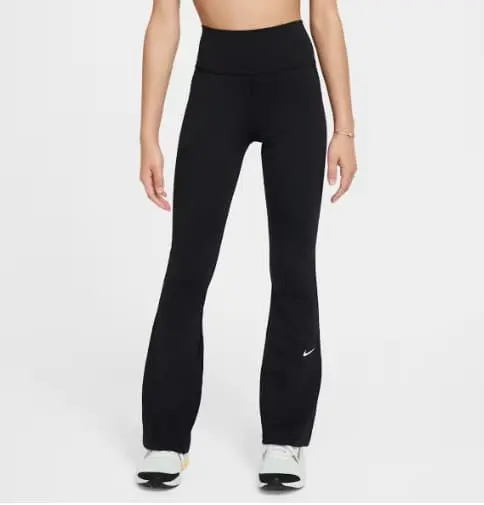
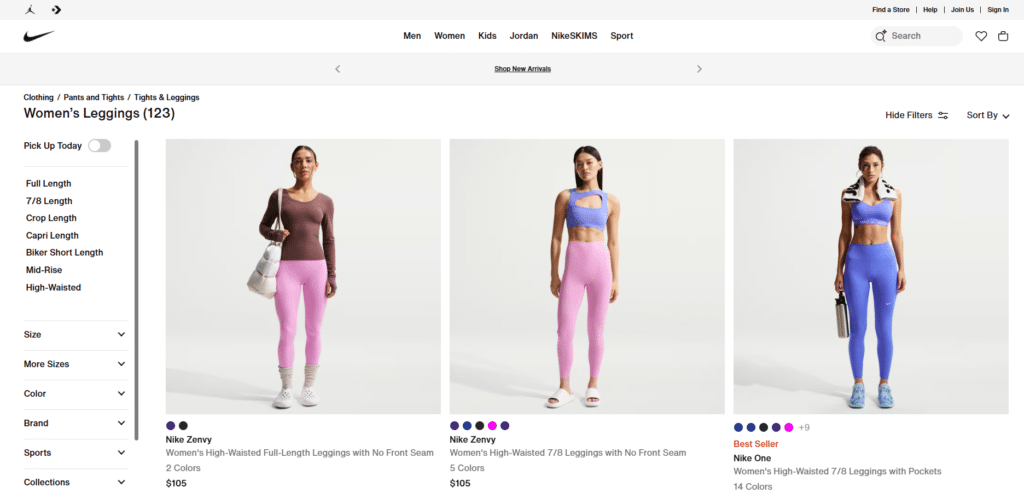
Nike’s trials offer a wide variety of styles and products for different activities. You might find high-compression running tights, leggings for yoga, and training leggings with pockets. There are also thermal tights for cold weather and combo items like shorts and joggers. Trials also cover tops, sports bras, and full outfits, allowing testers to review how everything works together.
Types of leggings and apparel included in trials
You’ll see many different kinds of leggings and apparel. Running tights are made to support and keep you cool. Studio leggings are super soft and stretchy, perfect for gentler activities. Training leggings are tough, with pockets for your things. And for cold days, there are thermal tights to keep you warm.
Materials, fits, and performance features to expect
The gear uses Nike’s special fabrics like Dri‑FIT, which pulls away sweat, lets your skin breathe, and stretches in all directions. They range from lightly supportive leggings for yoga to snug running tights for intense workouts. Look for smooth seams, stretchy crotches, strong stitches, and shiny bits that make you visible in the dark.
Check how the waist fits—does it sit high or in the middle? See where pockets are and how well they work. Notice if the fabric controls stink, how heavy it feels, and if it stays strong where it rubs the most. Document how well it holds up to washing and wearing many times when testing free nike apparel.
How trials inform product development and public releases
Feedback from testers on nike leggings helps improve how they fit, the materials used, and where seams go. What real people say can lead to tweaks in how snug the waistband is, adjusting sizes, or changing how heavy the fabric is for seasonal offerings. Good, detailed feedback helps Nike check if their gear does what it’s supposed to, like keeping you dry and not rubbing you the wrong way.
When you’re in a nike clothing trial, share specifics like how far you ran, how hot it was, and how many times you washed the item. This kind of detail turns what you think into hard facts. This helps decide if the design is ready to be sold to everyone.
Maximizing Your Chances: Tips for Nike Clothing Trial Selection
Want to test sportswear? You need more than luck. A clear, honest profile and quick, polished replies improve your chances at a Nike trial.
How to highlight relevant experience
- Share your sports activities like running, CrossFit, yoga, cycling, or coaching. Brands look for specific uses in a Nike leggings tester.
- If you’re a coach, trainer, or instructor, mention your certifications and your weekly training hours. It proves you can test gear in real scenarios.
- For content creators, list past brand partnerships, sample reviews, and add links to videos showcasing your testing methods.
Photos, measurements, and social proof that help you stand out
- Submit clear full-body pictures in neutral clothes. Show front and side views. It helps reviewers judge fit for Nike product giveaways.
- Add exact body measurements and mention any usual fit problems you have. This info improves the product selection for you.
- Post social proof: screenshots of Instagram posts, YouTube review clips, Strava activities, or blog mentions. Good feedback from past work adds to your reliability.
When to follow up and how to maintain a positive tester relationship
- After applying, give it some time before you follow up. Avoid messaging daily; a polite check-in after two weeks is enough.
- If you’re picked, answer quickly, keep deadlines, and offer useful, detailed feedback. Being on time and providing quality reports will help you get more invites.
- Say thanks after finishing a trial and express your interest in future testing. Keep your profile updated and have a folder ready with sample pictures for faster future applications.
What to Expect When Testing Free Nike Apparel
When you sign up to test Nike sportswear, you’re given specific tasks. You’ll keep daily logs and fill out surveys. You’ll wear the clothes for running, gym classes, lifting weights, and daily life. This lets brands see how the clothes perform in real situations.
Typical testing tasks and feedback forms
You’ll do certain activities in the clothes, take photos or videos, and fill out forms afterwards. You might do exercises like squats or sprints to check the clothes’ durability. You’ll note things like how far you ran, how long you worked out, and the weather.
How to evaluate fit, comfort, and performance systematically
Always check the clothes the same way. See if you can move easily in them and if they’re comfortable. Check if pockets keep your things safe. Note how well the fabric deals with sweat: does it stay dry, get a bit wet, or soak through?
Rate the clothes by giving them scores and explaining why. Share details like how far you ran or how often you washed the item. This info helps when reviewing the tests for nike leggings.
Reporting issues and submitting useful, actionable feedback
If something’s not right, give clear details. Mention what you were doing, for how long, and your size. For example, say “The seam rubbed during two long runs” instead of just “it’s uncomfortable.” Offer ideas for how to make it better if you can.
Show what’s wrong with photos or videos. Keep everything you send and remember to follow the rules about privacy. Giving honest feedback, mentioning good and bad points, makes you a good pick for testing more Nike gear.
Legal, Shipping, and Return Considerations for Sportswear Tester Programs
Before signing up, carefully read any agreements. These documents might restrict what you can say about the products you’re testing. They often include rules about keeping things secret, who owns ideas, and the use of your photos or feedback. Make sure to keep a copy of everything you sign.
Understanding confidentiality
Expect rules that stop you from sharing photos or reviews without permission as a tester. Many contracts say the company owns any images or feedback you provide. If you want to post reviews or updates on social media, check the rules about when and how you can do this first.
Shipping windows and damaged-item steps
Shipping for official tests, like those from Nike. But, tests from other companies might charge a small fee. Keep track of when your item should arrive and follow the shipment. If you get something damaged, take pictures with the date and contact customer support or the research company without delay.
Returning items can vary. Some tests ask you to send things back after trying them, while others might let you keep the product for free. Be sure to follow the return instructions carefully to avoid extra charges. Also, keep all shipping records and receipts until the trial is over.
Tax and income considerations
Getting free items as a tester is often seen as receiving a sample or gift. However, if you get paid, receive gift cards, or often get expensive items, the IRS might tax these as income. Influencers getting products or money regularly should keep track of everything and might need a tax expert’s help to follow the rules.
It’s smart to keep good records of any money, gift cards, or the value of items you receive. Having this info makes it easier if you need to fill out tax forms later.
Practical checklist
- Save signed agreements and correspondence.
- Record shipping numbers and delivery dates.
- Photograph any damaged goods immediately.
- Note return deadlines and any restocking rules.
- Log the value of free nike apparel or payments for tax records.
By doing these things, you protect yourself during a Nike product trial. Keeping clear records and communicating quickly can solve problems fast when testing sportswear.
Real Tester Experiences and Review Examples
People who took part in a nike clothing trial share their stories. They give tips for those wanting to test sports clothes. Their stories look at things like how far they ran, how the clothes handled washing, and if they felt more comfortable. Look for what brands like in feedback about testing nike leggings or free nike gear.
Case study 1 — marathon runner
A marathoner, age 34, tested high-compression nike leggings by running 320 miles in eight weeks. They kept track of miles each week and took photos before and after. The tester talked about less chafing and better muscle support. Even after washing ten times, the leggings were rated 4 out of 5 for staying together well. Thanks to this feedback, Nike made a small change to the waistband of these leggings.
Case study 2 — studio yoga instructor
In a nike trial, a yoga teacher tested leggings to see how they worked for squatting and if the waistband was comfy. During five sessions, the tester noted if the leggings stayed opaque. Trouble with the material becoming see-through after washes was brought up. The feedback caused Nike to use heavier material in later versions.
Case study 3 — cross-training athlete
A cross-trainer tracked their sprint times and how freely they could move during a 30-day test of nike training leggings. They checked their speed on day 1, 15, and 30, also noting changes after washing. The leggings kept their shape and color well, leading Nike to tweak how they dye the fabric.
Here are some tips on how to write your review as a sportswear tester. Keep it short and use real data to make your review stronger. This helps you get more chances to test free nike gear in the future.
- Overview: tester profile (age range, activity level), garment model, test period.
- Test conditions: activity type, typical duration, indoor/outdoor, average temperature.
- Evaluation scores: Fit (1–5), Comfort (1–5), Performance (1–5), Durability (1–5), Value (1–5).
- Qualitative notes: specific observations, pain points, standout features.
- After wash/durability: number of machine washes, temperature, drying method, visible wear.
- Attachments: photos, short video clips, exercise logs, and timestamps.
- Verdict & Suggestions: concise recommendations for fit, fabric, or construction changes.
How testers turned trials into long-term partnerships
Being consistent and professional can lead to more testing opportunities. Those who shared their detailed reviews online and talked well with Nike tended to get more invites. Showing your work and meeting deadlines helps a lot.
Behaviors like handing in reports on time and sticking to the right format were key. Sharing exact results, like how many miles you ran or how many times you washed the item, can lead to more tests with free nike gear.
Conclusion
This guide showed you how to find and join a Nike product program. It taught you to create a strong tester profile and prepare clear photos and media for your applications. The guide also explained what to expect when testing free Nike apparel. It included how to check if leggings fit well and perform as expected. Plus, it highlighted why giving thoughtful feedback is important for improving Leggings & Apparel at Nike.
Here’s a final checklist for you: Update your Nike profile with your latest measurements and what activities you do. Make sure you have high-quality photos and some short video clips ready. Keep an eye on Nike’s official channels to find open test opportunities. When you apply, give answers that are specific to each question. It’s also crucial to keep detailed notes while you’re testing the products. Giving clear and actionable feedback can help speed up product improvements. It also makes you stand out for future test opportunities.
For testers, always be honest in your reports. Remember to keep all your receipts and records for tax purposes or if you need to make returns. Also, make sure to reply quickly to any requests Nike sends you. Providing quality media and feedback on time helps build trust. This can lead to more testing invites and opportunities to work on leggings and apparel projects for a longer time.
Content created with the help of Artificial Intelligence.