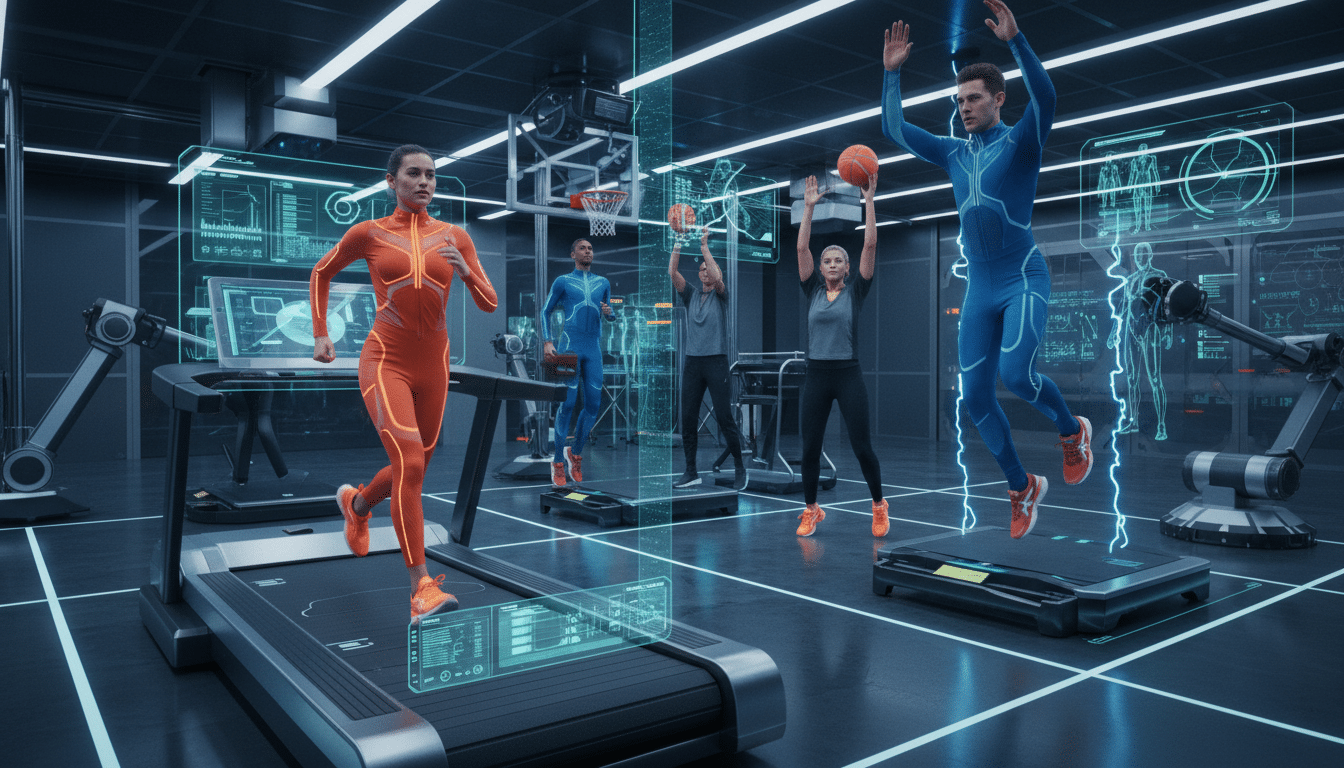
This guide is your ticket to Nike Testing, aimed at anyone in the US. Whether you’re into shoe trials or athletic gear analysis, you’ve got everything you need here. It’s perfect for runners, athletes, biomechanics students, and those in product testing or quality assurance.
You’ll dive into testing footwear durability, evaluating active wear, and more. It shows how to prepare, conduct tests, and report findings, focusing on reliability and safety. Ideal for beginners to experts.
Anúncios
By the finish, you’ll know how to find Nike Testing spots, prep for them, and test shoes like a pro. Plus, you’ll learn to give feedback that shapes future sports gear. The guide is practical, focusing on clear communication and useful evaluations.
Key Takeaways
- Nike Testing combines hands-on trials and structured athletic gear analysis to improve products.
- Opportunities exist for a wide range of participants, from casual runners to QA professionals.
- Shoe performance evaluation relies on repeatable protocols and careful data collection.
- Proper preparation and safety practices ensure reliable durability testing and active wear evaluation.
- Clear, actionable feedback helps brands refine design and supports quality assurance assessments.
Nike Testing: What It Is and Why It Matters
Nike Testing involves lab work and real-world trials to check footwear and apparel performance. This method mixes mechanical tests with human trials. It looks at durability, comfort, safety, and how the gear works in sports. This testing lets designers and engineers improve items before they are sold.
Defining testing within athletic gear analysis
Tests cover many areas like gait studies and checking if materials can handle wear and tear. SGS and Intertek, along with Nike’s own teams, do these tests. They also use external tests to gather feedback that machines can’t provide.
How shoe performance evaluation improves product development
They use tools like force plates and feedback to improve shoes. These changes help reduce injury risks. They also make gear better suited for activities like running or basketball.
Nike Voice of the Athlete initiative
Quality assurance assessments and consumer confidence
Quality checks ensure products are safe and meet standards. These tests support Nike’s warranty and marketing. They help build trust with customers by showing the items are durable.
How to Join Nike Testing Programs and Opportunities
Want to help test Nike athletic gear? Getting started is straightforward. First, figure out where to look and what you’ll need for the application. The guidelines below will take you through finding opportunities, applying, and what comes after.
Where to find participation listings and recruitment channels
First up, visit Nike’s official spots. Places like Nike.com, the Nike Member app, and NikeLab share news about testing openings. You can also find updates on their Instagram and X accounts.
Don’t stop at Nike’s own channels. You can also find chances through universities and running clubs, among others. Places like ASTM labs, Runner’s World forums, and Strava groups often announce these opportunities.
Application tips and eligibility for testers
Who gets to test? It often depends on things like age, shoe size, and how much you exercise. Make sure you fit what they’re looking for before you apply.
Ready to apply? Share details like how often you run, what sports you play, and any recent injuries. If you’ve got a resume or have done testing before, mention that too.
Think about your schedule. Some tests last a while; others need just one visit. Being quick to respond to invites or questionnaires can boost your chances.
What to expect during onboarding and training
The first steps include signing forms and health check-ups. You might have your feet measured or your running style filmed to help with the testing process.
Next up is learning the ropes. They’ll teach you how to properly use any testing equipment like GPS watches. You’ll also learn how to report on what you’re testing accurately.
What’s in it for you varies. It might be cash, free gear, or other perks. Make sure you know what you get to keep and how your feedback will be used from the start.
Preparing for Performance Testing: Tools and Setup
Before starting your tests, it’s key to define your targets. Proper planning ensures tests are fair and can be repeated, whether it’s for checking the durability of shoes or how well active wear performs. Doing the small things first saves time when you’re analyzing data and making reports.
Essential equipment covers machines and outdoor gear that simulate actual use. Machines that flex simulate constant bending, and abrasion testers use EN ISO standards to mimic wear. Tensile testers measure how strong materials are. Peel testers check the strength of seams and glues. And, environmental chambers can age materials using heat, cold, and moisture.
Tools for the field help us understand how products perform outside the lab. For example, treadmills and wear rigs let us control how much a product is used. Cameras that capture motion, plates that measure force, and tracks for running track how products move and take hits. Tools like calipers and durometers help study materials in detail and figure out why they fail.
Controlled environments are crucial to making fair comparisons. It’s important to keep things like temperature, humidity, and where the test happens consistent. Surfaces used in tests should meet specific standards like ASTM or ISO for traction. Always use control samples, like a well-known shoe, to see how new products stack up.
For tests to be reliable, you need set speeds, steps, and weights. Write down all settings and have a first-aid kit ready in case of an accident. Checking the health of people in trials keeps them safe and makes sure the results are valid.
Data collection tools add insights into how sports and active wear perform. Systems like Vicon or Qualisys track movement in three dimensions. Devices measure how the ground pushes back against a foot, and force plates show the impact. These tools help us understand how a product handles stress.
Monitors for heart rate and GPS trackers follow how hard someone is working. This helps us see how gear performs over time or during intense workouts. Cameras and video help note changes, like wear on seams or how the fabric wears out.
Software keeps all the data organized. Platforms for logging data, surveys online, and methods to keep track of versions help. It’s important to note when data was gathered and to make sure devices are accurate. Safekeeping records and labeling ensure you can always find and understand your data later on.
Keep a detailed log of each test, noting the settings used, the tools’ serial numbers, and who ran the test. This makes it easier to look back on footwear testing or compare different active wears.
Conducting Tests: Best Practices for Accurate Results
Start with a detailed plan listing objectives, sample sizes, and testing protocols. This keeps everything clear so steps can be repeated easily. Always note when you deviate from normal methods and why.
Standardized testing procedures for athletic equipment inspection
Follow established standards like ASTM or ISO for testing tensile strength, abrasion, flammability, and traction. Make sure to calibrate equipment before testing and keep calibration records. It’s important to run control groups and repeat tests to ensure results are reliable.
Measuring comfort, fit, and biomechanics in shoe performance evaluation
Mix objective measures such as pressure maps and stride analysis with people’s feedback on comfort. Measurements of the foot in motion help check shoe sizing and how well they work with orthotics. Look at how shoes support the foot during movement, including heel-to-toe transition and stability.
Recording and reporting findings for sports gear assessment
Record findings using a report format that includes methods, who took part, the gear used, data, and results. Add photos and tables for clear understanding. Use basic stats like averages and ranges in comparing products.
Each report should highlight key findings, like the balance between lightness and strength, and note any safety issues. Mention any limits to the study or potential biases and if there are any rules on sharing the data.
Interpreting Results and Providing Useful Feedback
Start by making raw numbers easy to understand. Turn test results into clear steps for design improvements. For example, reduce the midsole thickness to increase shoe responsiveness. Keep an eye on how these changes affect the shoe’s durability. Use simple metrics that clearly link to decisions. This helps teams quickly go from seeing data to making design choices.
Rank issues based on how critical they are. Safety issues are most important, then big performance problems. After that, focus on making the product more comfortable. Give teams a list of priorities. This helps them focus on what will make the product succeed.
Visual aids can show where problems are. Use graphs, heat maps, and overlays to show where shoes wear out or fail. These clear images help teams agree faster in meetings.
Translating test data into actionable insights
Make your recommendations clear and based on data. Say what needs to change, what you expect to happen, and why. For instance, suggest strengthening the heel area if it wears out too quickly. Choose a better material for the job.
Give testers a step-by-step guide they can follow easily. Being able to repeat tests makes everyone more sure about their decisions. It helps engineers check their work before making lots of products.
Communicating durability and quality findings to manufacturers
Keep your messages clear for those who are busy. Start with a summary, then explain your findings. After that, suggest what to do next and include the data you used. This approach helps explain how durable and high-quality the product is. It also helps others make decisions quicker.
Suggest specific changes based on the tests. You might recommend different materials or adjusting how something is made. Mention how these changes could affect costs and guarantees. This helps managers decide what’s best for the product.
Share how you did the tests so others can do them too. This prevents misunderstandings and helps confirm if the suggested changes work.
Using feedback loops to influence future product iterations
Push for a process of testing, making small amounts, and checking how things go after launch. Regular checks and updates make each version of a product better. This happens through testing both new designs and those that are already out there.
Get everyone working together: designers, scientists, engineers, and marketers. Meeting regularly helps turn what you learn about durability and quality into plans everyone agrees on.
Use feedback from testers and athletes to keep making things better. Watching how changes affect things like how well a product lasts or how much people like it shows if you made the right moves.
Conclusion
We’ve explored what Nike Testing means for athletic gear. You learned its goals and how it helps make better products. This includes checking comfort, durability, and how the body moves.
To start, sign up on Nike’s site or with partners. You’ll need things like pressure insoles and timers. Always follow their specific testing steps carefully.
Keep your reports organized. This helps improve sports gear and ensures quality.
Testing helps you and others. It sharpens your review skills and might lead to new career paths. Look for testing chances near you. Remember, safety comes first. Record your discoveries well to impact future gear.
Content created with the help of Artificial Intelligence.