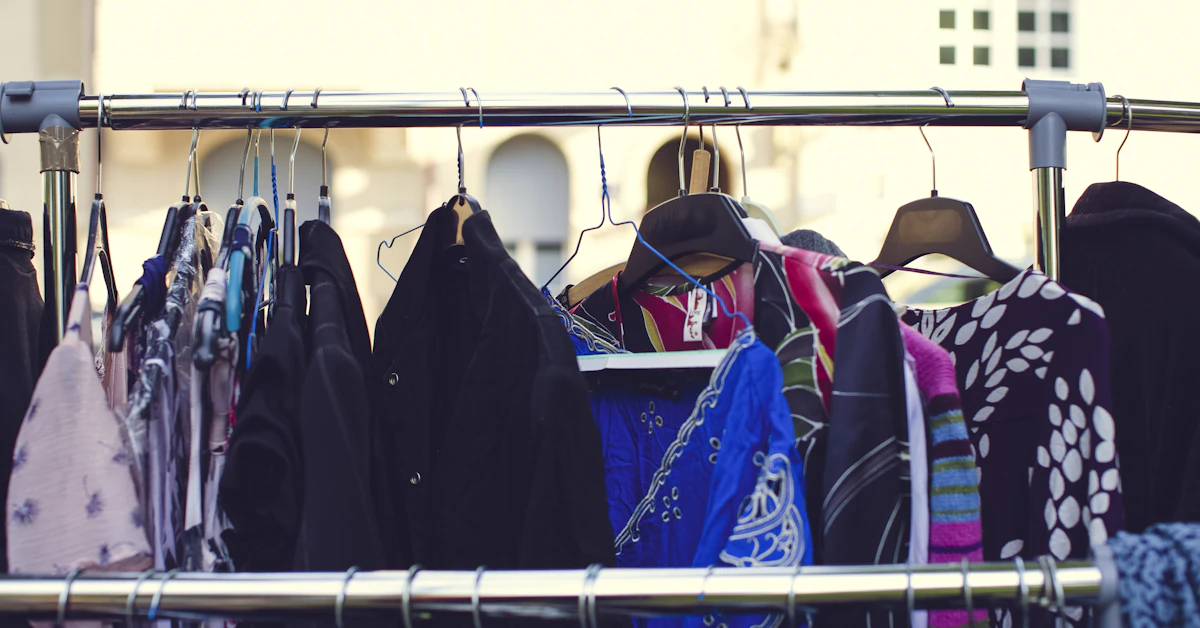
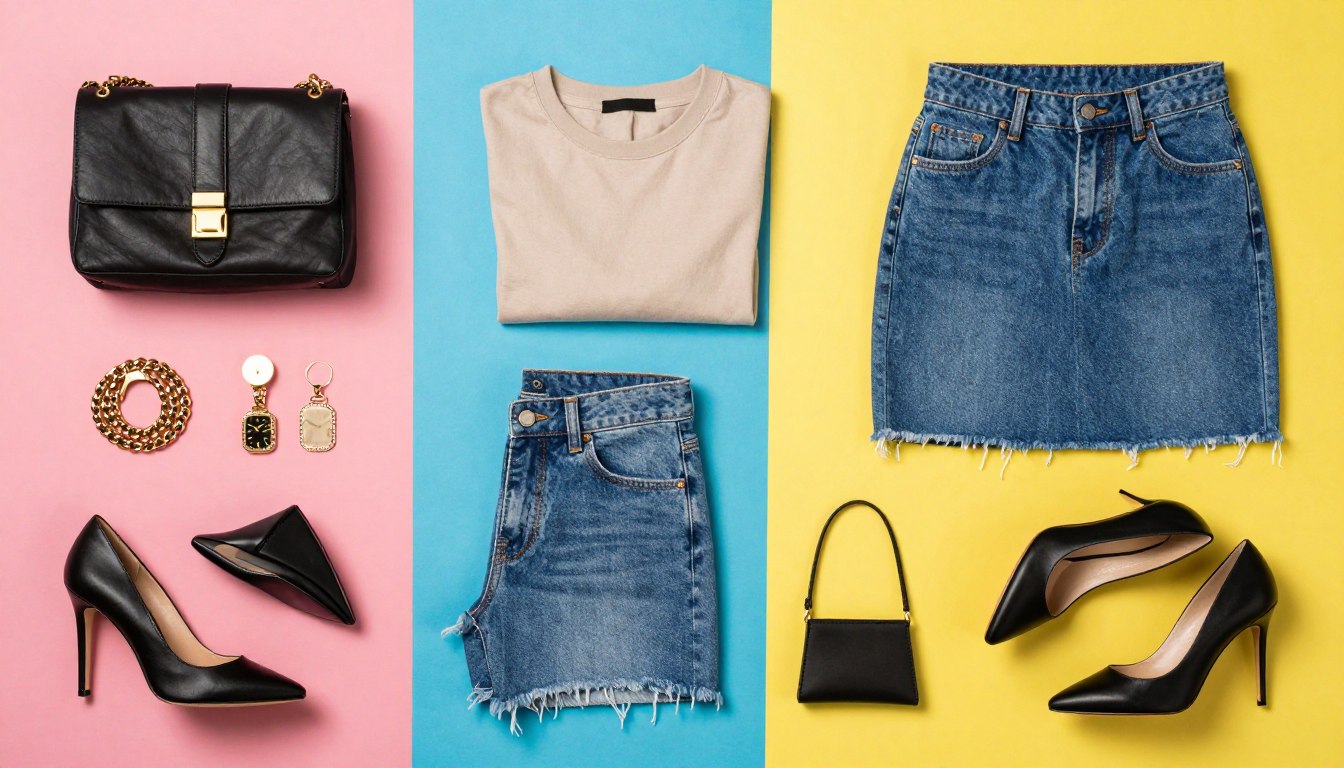
Smart fashion shopping helps women reduce wardrobe clutter and boost outfit confidence. This piece explains why the motto buy less buy better matters.
It can lower long-term costs, reduce waste, and create a more cohesive personal style.
Quality over quantity fashion means choosing garments that last and fit well. These clothes stay useful across seasons.
This approach saves money over time and makes daily dressing easier.
Readers will learn core concepts to use right away. These include defining personal style, building a wearable capsule wardrobe, and setting simple shopping rules.
The article also covers evaluating materials and construction. It shares conscious fashion tips like trying secondhand pieces, tailoring, and using try-before-you-buy or rental services.
The tone stays friendly, direct, and transparent. The guidance is practical and mobile-friendly, so you can apply tips between swipes on Instagram or shopping apps.
Recommendations may vary by personal needs and available brands. Results can differ based on each person’s experience.
Key Takeaways
- Buy less buy better to save money and reduce waste.
- Focus on quality over quantity fashion for longer-lasting pieces.
- Define your style and plan a capsule wardrobe for easier outfits.
- Set shopping rules and evaluate materials before you buy.
- Consider secondhand, tailoring, and try-before-you-buy options as conscious fashion tips.
smart fashion shopping: practical strategies to buy less and buy better
This section gives clear, usable steps for shoppers who want to buy less and buy better. It focuses on building a small, versatile closet, creating simple shopping rules, choosing durable pieces, and reading labels with confidence.
The goal is to make smart fashion shopping feel easy on a phone screen and in real life.
Define your style and create a wearable capsule wardrobe
A capsule wardrobe is a compact set of interchangeable items sharing a color palette and silhouette. Typical anchors include well-fitting jeans, a tailored blazer, a neutral coat, classic tees, and a little black dress.
Start by auditing your closet and taking photos of outfits you wear most.
Pin looks from Instagram and TikTok to spot recurring colors and fits.
Use this checklist:
- Choose 3 neutral base colors and 1–2 accent colors.
- Pick 6–12 core pieces and 4–8 seasonal items.
- Favor pieces that mix and match for multiple looks.
Capsules simplify mornings, cut impulse buys, and raise outfit use per item.
This supports the buy less, buy better mindset by making each piece count.
Set clear shopping rules to prevent impulse purchases
Set simple rules before tapping “buy.” Try a 48–72 hour waiting period for nonessential buys. Limit new items to replacements or real gaps in your capsule.
Adopt a one-in-one-out rule to manage closet size.
Use mobile-friendly tools like wish lists, price-drop alerts, and unfollow accounts that cause impulse shopping.
Check return policies and shipping fees before adding items to your cart. Compare new pieces against multiple capsule outfits to test utility.
Platforms such as Depop and Poshmark help track secondhand finds. Brand apps with try-before-you-buy features offer low-risk testing options when available.
Prioritize quality over quantity when evaluating items
Look for fabric weight, stitch density, seam finishing, and hardware quality. Lining and reinforced stress points matter for durability. Natural fibers like cotton, wool, linen, and silk usually last longer.
Blends can be useful when care instructions are clear.
Use cost-per-wear to assess value. A $150 jacket worn 150 times costs $1 per wear. A $30 trend top worn 10 times costs $3 per wear.
Don’t confuse branding or packaging with real quality. Bold prints and fast trends often limit outfit options.
How to read materials, construction, and care labels
Start with fiber content percentages and care symbols. The country of origin gives some context but does not guarantee quality.
Check for even stitching, clean hems, matched patterns at seams, and sturdy linings in outerwear.
Consider care trade-offs. Items labeled dry clean only add ongoing costs and effort.
For mobile shopping, ask for close-up photos of fabric and seams. Read customer photos and reviews, and ask sellers about fit and fiber content when buying secondhand.
Conscious fashion tips to avoid overbuying clothes and make sustainable choices
Smart fashion shopping starts with a little planning. A short list of seasonal gaps before a sale helps avoid impulse buys. It keeps purchases purposeful and focused.
Shopping with intention:
Set a simple rule: wait one to two weeks before buying from your wishlist. Use a mobile timer or calendar reminder. Review your wants versus needs during this time.
Map each potential buy to three outfits. This tests the item’s real-life versatility. Prioritize replacements and essentials when budgeting for the quarter.
Smart alternatives:
Basic repairs help lengthen garment life. Learn button replacement, hemming, and small patching skills. Or use local tailors and services like The Laundress for fabric care.
Small tailoring changes like taking in waists or shortening sleeves can make a mass-market piece feel custom. This increases wearability.
Buying secondhand lowers cost and waste. Always check items for wear, odors, stains, and authenticity before commitment.
Use resale marketplaces, consignment shops, or rental services. Review seller ratings and return policies. This reduces risk in your purchase.
How to evaluate brands for transparency and ethical practices:
Look for published sustainability reports and third-party certifications such as OEKO-TEX or GOTS on textile claims. These verify brand claims.
Check if brands list material origins, factory audits, and labor policies. Ask about waste, returns, and repair or warranty options offered.
Watch out for vague language or unverifiable claims. Independent journalism and NGO reports help confirm a brand’s statements.
Budgeting tips to invest in timeless pieces rather than trends:
Divide a seasonal clothing budget into core investments and small trend items. Spend more first on footwear and outerwear, then on tailored pieces.
Keep trend buys low-cost or secondhand. Set aside a small “quality fund” for occasional splurges on pieces meant to last.
Do simple cost-per-wear math before big purchases. This helps support “buy less, buy better” choices and avoids overbuying clothes.
These conscious fashion tips help women shop smartly, reduce waste, and make clearer choices about what to bring into their closets.
Conclusion
Smart fashion shopping means making clearer style choices and fewer impulse buys. It also means picking better-value pieces that fit a wearable capsule. The goal is to buy less and buy better.
Focus on items that fit your life and last beyond one season. Start with small, practical steps like auditing your closet.
Set shopping rules and learn to read labels carefully. Prefer tailoring or secondhand finds before buying new items. These tips help avoid overbuying while improving fit and longevity.
Expect trade-offs: higher-quality items may cost more upfront but last longer. Results vary by personal needs and lifestyle.
Aim for steady progress, not perfection. Evaluate brands for transparency and clear care instructions.
Try one rule this week: wait 48 hours before buying non-essential pieces. This habit helps shift your decisions toward smarter choices.
It is an easy, friendly way to build a calmer wardrobe.
Content created with the help of Artificial Intelligence.