Planning outfits before buying turns impulsive scrolling into a simple, visual choice. Online outfit planning helps you see how new clothes fit with what you have. This mindset treats shopping as problem-solving, not just reward-seeking. It helps you shop smarter on fashion apps and social feeds.
Women who browse Instagram and TikTok, then use retailer apps, gain the most from outfit planning. This works for trendy buys and classic wardrobe pieces. Quick photos, saved looks, or a mood board speed up choices on a phone.
Outfit planning improves choices but does not promise perfect fits or zero returns. You get clearer reasons for buying and fewer duplicate items. It also helps you make better use of current pieces.
The rest of the article shares practical tips, tools, and steps for easy wardrobe planning.
Key Takeaways
- Online outfit planning links new items to existing looks before checkout.
- Mobile-first shoppers save time and avoid impulse buys with visual planning.
- Planning helps balance trend pieces and timeless investments.
- It reduces duplicate purchases and clarifies why you buy.
- Outfit planning cuts indecision but won’t eliminate every return.
Why plan outfits before you buy: benefits for smarter online shopping
Planning outfits before buying helps make online shopping clear and less stressful. Taking time to match a new item with your existing clothes stops impulse buys.
Save money and avoid unnecessary purchases
Marketing tricks like influencer trends and countdown timers push shoppers to buy things they do not need. A checklist can break this habit.
- Pair a candidate piece with two existing items before adding to cart.
- Ask if the piece fills a gap or duplicates something you rarely wear.
- Use outfit planning tips to decide if the buy really improves daily options.
Increase outfit versatility and wardrobe ROI
Wardrobe ROI measures outfits you get per item. Planning shows pieces that mix well, like a neutral blazer or white shirt.
Choose clothes with colors and shapes that match many items. Track how often you wear each piece to see its true value.
- Prioritize multifunctional silhouettes and colors that boost combinations.
- Track how often you wear each item to see true value.
- Focus purchases on items that create at least three new outfits.
Reduce returns and sizing mistakes when shopping online
Online returns take time and cost money. Planning your outfits limits your choices and helps you figure out the right fit.
- Check brand size charts and read verified fit reviews.
- Measure a favorite garment and compare those numbers to product specs.
- Use virtual sizing tools when available and decide if a marginal fit works for a specific planned look.
Boost confidence and streamline daily dressing
Having fewer morning clothing decisions cuts stress and builds a consistent style. Pre-planned outfits for work, weekends, and evenings speed up getting dressed.
- Create three ready outfits you can rely on each week.
- Use online outfit planning to save time and refine your signature looks.
- Keep a short list of staples so you can shop smarter online fashion when you need replacements.
These benefits combine emotional ease with practical savings. Use quick checks before buying to avoid waste and make each piece earn its spot in your wardrobe.
online outfit planning: step-by-step process and tools
This section shows a mobile-first plan for online outfit planning. It breaks the process into quick tasks to do on your phone. The focus is on tools people already use and real expectations about virtual try-ons and closet photos.
Audit your current wardrobe for gaps and duplicates
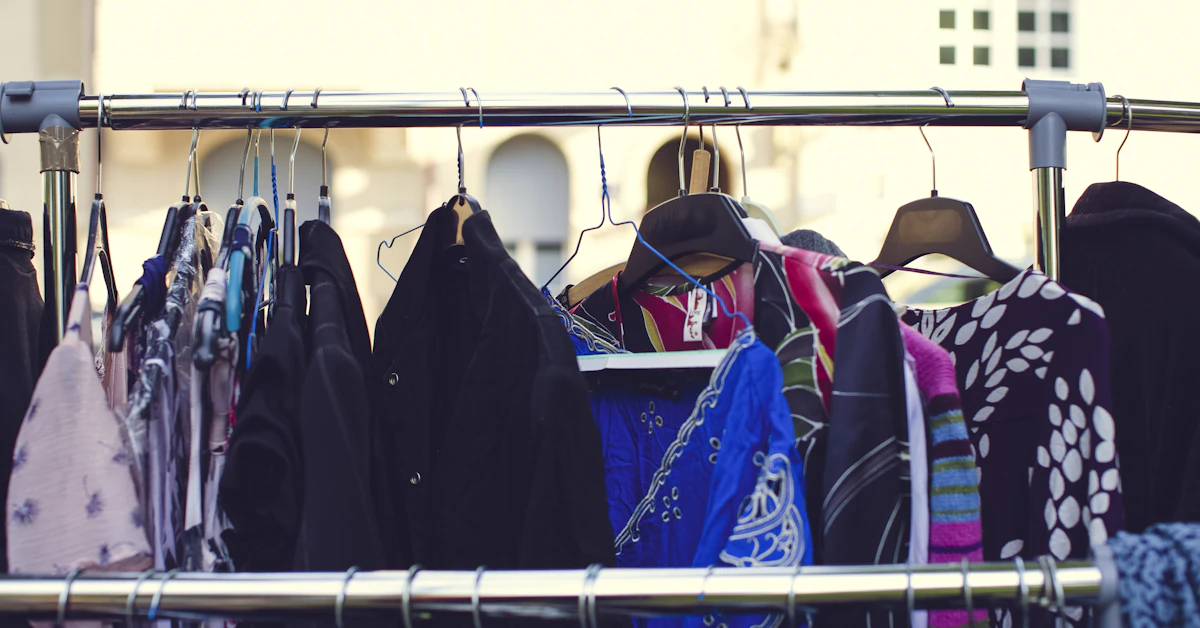
Empty one category at a time: tops, bottoms, outerwear. Lay pieces on a bed or hang them. Take quick photos with your phone.
- Note what you wear most and what stays untouched.
- List missing items that complete several outfits, like a neutral layering piece, reliable blazer, ankle boots, or day-to-night dress.
- Use a simple spreadsheet or notes app to tag colors, patterns, and occasions for easy reference.
Create mood boards and lookbooks with apps and platforms
Collect visual inspiration and turn it into plans. Use Pinterest for mood boards and Instagram saved collections for trends.
- Group looks by occasion: work, weekend, travel.
- Build a custom lookbook in Canva. Add product links so you can buy items later.
- Keep boards focused: one board per season or one look per occasion helps quick decisions.
Use outfit-planning apps and virtual try-on tools
Pick an app that fits your style. Apps like Pureple, Stylebook, and Cladwell let you photograph items and create outfits.
- Retailer AR and virtual try-on at stores like ASOS, Nordstrom, and Zara help you judge fit and size.
- Apps are good for outfit creation and tracking rotations. Virtual try-ons show shape but fabric may look different.
- Use both: catalog your closet in an app, then test new buys with store tools before ordering.
How to build capsule wardrobes for different seasons and occasions
A capsule is a small set of pieces that cover most outfits. Start with a base color and add two or three matching shades.
- Choose 8–12 core pieces per season.
- Add 3–4 statement accessories to change looks quickly.
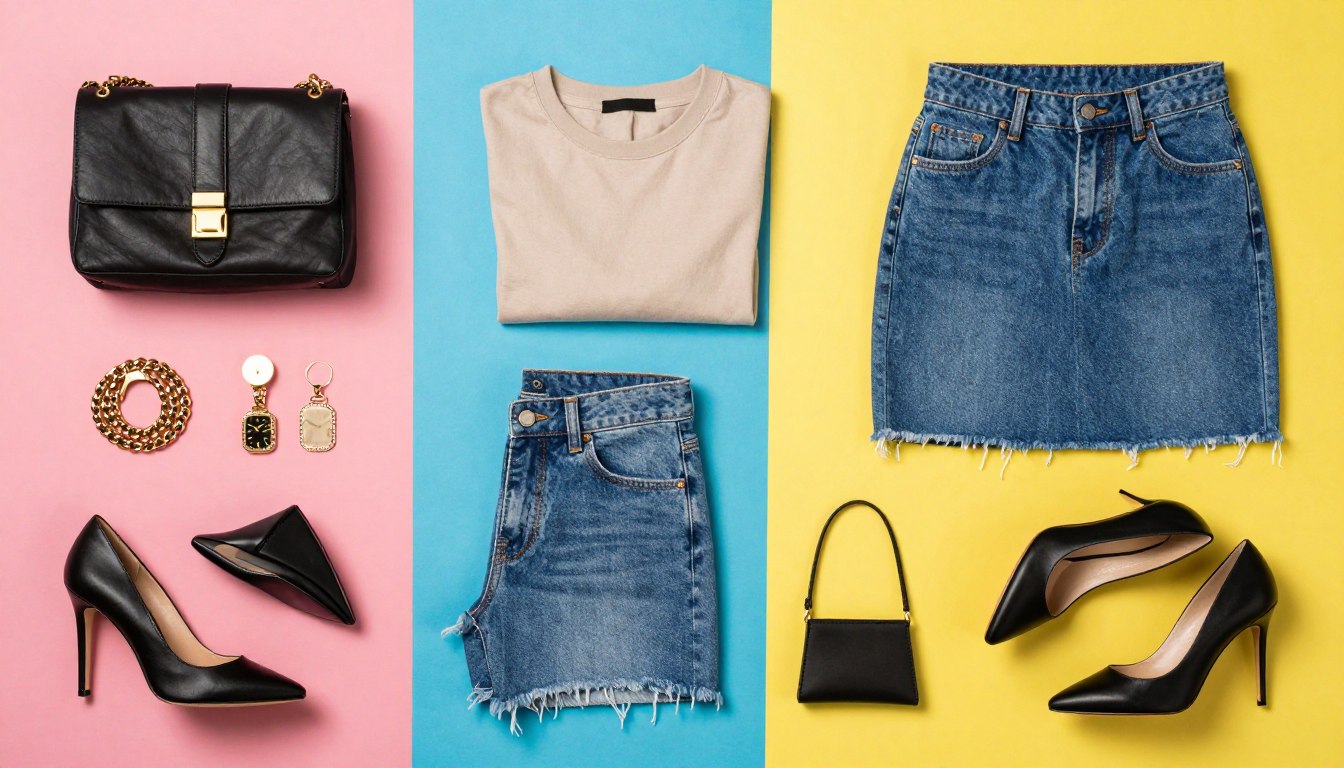
- Create mini-capsules by occasion: a work set (blazer, tailored pants, neutral blouse, loafers) and a weekend set (denim, tee, jacket, sneakers).
These steps combine wardrobe planning with fashion and outfit tips. They make online outfit planning easy and mobile-friendly.
Smart shopping strategies: outfit planning tips and fashion organization tips
Turn outfit plans into purchases with small systems that cut friction while browsing and at checkout. The goal is practical action: rank needs, pick versatile pieces, verify fit, and store records. This helps future decisions become faster and cheaper.
Use simple lists and a few app folders to keep everything within reach on your phone.
Make a prioritized shopping list tied to planned outfits
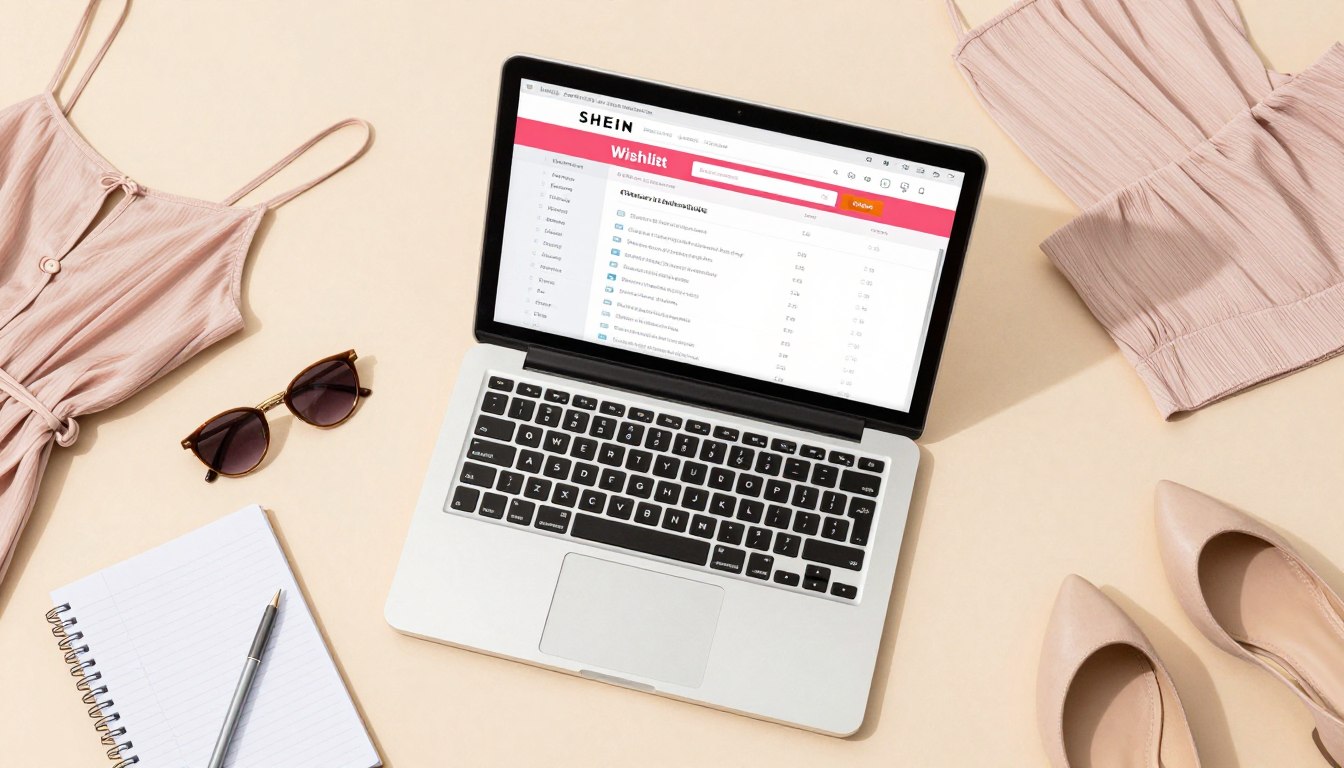
Create a numbered list that separates must-haves from nice-to-haves. Rank items by need: fill critical gaps first, then add wishlist pieces. Aim for 1–3 must-haves and 4–7 nice-to-haves.
Note acceptable alternatives, such as a different color or fabric. Also, set price limits to keep spending aligned with value.
Choose versatile colors, silhouettes, and layering pieces
Favor neutrals and one accent color to boost outfit combos. Classic silhouettes like a tailored blazer, straight-leg jeans, a midi skirt, and a crewneck sweater mix well across looks.
Prioritize layering pieces—lightweight knits, camis, and jackets. They help adapt outfits to changing weather and events.
Read reviews, check measurements, and save preferred retailers
Scan size-related comments first when checking product pages. Look for reviewer photos and compare garment measurements to a trusted item you own.
Save brands and retailers that reliably fit your shape. Keep return policies and customer-service contacts in a note for quick reference.
Organize purchases and wardrobe digitally for easy reference
Keep a photo record of outfits with tags for occasion and season. Use folders or collections in apps to group looks.
Store receipts and order details in one cloud folder. This speeds planning, simplifies returns, and helps track wear frequency to improve wardrobe ROI.
These outfit planning tips and fashion organization tips help shoppers shop smarter online and avoid unnecessary purchases. Small routines reduce decision fatigue and make each buy feel intentional.
Conclusion
Planning outfits before buying turns online browsing into intentional wardrobe work. It helps you avoid unnecessary purchases and boosts outfit options. This can cut down returns and makes mornings faster.
Small habits—like making a mood board or tracking favorite silhouettes—build a more wearable closet over time. Try a short, phone-friendly checklist this week: audit one category and create one mood board.
Install or try one closet app. Make a prioritized shopping list linked to three planned outfits. These quick steps apply core outfit planning tips and keep things simple.
Use tools to speed the process but let your personal needs guide your choices. Expect steady progress rather than instant perfection. With clear steps and honest judgment, you can shop smarter online and build a wardrobe that truly works.
Content created with the help of Artificial Intelligence.